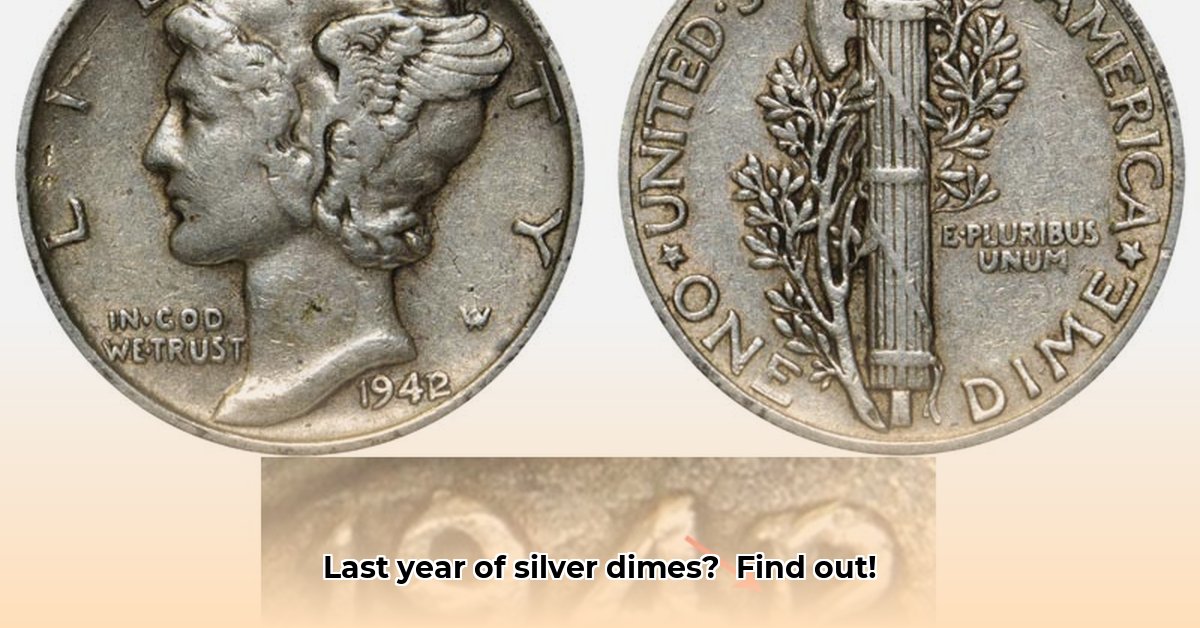
What Year Did They Stop Making Silver Dimes?
The U.S. Mint stopped making silver dimes in 1964. This seemingly simple answer opens a world of possibilities for collectors and investors alike. Understanding the history behind this change, along with the nuances of valuing and acquiring these coins, is key to maximizing your potential returns.
Why 1964? The Coinage Act of 1965 and the Silver Squeeze
Prior to 1965, U.S. dimes were composed of 90% silver. However, rising silver prices led to a phenomenon known as "melt value," where the silver content of the dime exceeded its face value. People began melting down dimes for their silver content, creating a shortage of currency. To address this, the Coinage Act of 1965 was passed, changing the composition of dimes to a cheaper, more durable copper-nickel alloy. This marked the end of the silver dime era, at least in terms of new production. This historical shift has significant implications for the value of pre-1965 silver dimes today. Could you imagine if the same thing happened today with another metal?
Decoding the Value: Melt Value vs. Numismatic Value
Determining the value of a pre-1965 silver dime involves understanding two distinct concepts: melt value and numismatic value.
Melt Value: This represents the inherent value of the silver contained within the coin. A pre-1964 dime contains approximately 0.07234 troy ounces of .900 fine silver. To calculate melt value, multiply the weight of silver by the current spot price of silver per troy ounce. Numerous online calculators simplify this process. For example, if silver is priced at $25 per troy ounce, the melt value of a single dime would be approximately $1.63 ($25/troy oz * 0.07234 troy oz * 0.90). Isn't it interesting how such a small coin can hold such valuable metal?
Numismatic Value: This reflects the coin's collector value, influenced by factors like condition, rarity, and mint mark. A well-preserved dime from a less common year or mint can be worth significantly more than its melt value. Exceptional examples can command prices far exceeding their silver content, potentially reaching thousands of dollars. Do you know of any other item that can yield such a huge increase in value?
Identifying a Silver Dime: Key Features to Look For
Identifying a pre-1965 silver dime requires careful examination.
Date: Dimes dated 1964 or earlier are made of silver. Did you know that even minor variations in year and mint marks can influence a coin's value?
Luster: Silver dimes possess a brighter, more lustrous appearance than their copper-nickel counterparts.
Magnetism: Silver dimes are not magnetic; this is a simple yet effective test to differentiate them from later dimes.
Mint Marks: Examine the coin for a small letter (D, S, or P) below the date, indicating the mint of origin (Denver, San Francisco, or Philadelphia). These mint marks are sometimes referred to as mint marks and can impact collector value. Which mint mark do you think is the least common?
Buying and Selling Silver Dimes: Safe Practices
When acquiring silver dimes, it's crucial to prioritize reputable sources.
Reputable Dealers: Coin dealers provide authentication and expertise.
Online Marketplaces: Utilize platforms with robust buyer protection mechanisms.
Auction Houses: These offer a wide selection, but due diligence is essential.
Avoid Suspicious Offers: Beware of unusually low prices, which often signal scams.
Building a Collection: A Numismatic Journey
Building a collection of pre-1965 silver dimes can be a rewarding and potentially lucrative hobby. Here’s how to begin:
Start Small: Begin with a few common-date dimes to learn the ropes. What is your favorite historical period? Perhaps your collection can reflect that interest.
Focus on a Theme: Consider specializing in a particular series (e.g., Mercury dimes).
Grading and Storage: Professional grading provides authentication and establishes value. Proper storage using protective sleeves or albums is essential for preserving your collection's condition.
Continuous Learning: Stay updated on market trends and numismatic knowledge through books, websites, and numismatic clubs. Did you know there are several online communities where you can share your passion for silver dimes?
Key Takeaways:
- The year 1964 marks the end of regular silver dime production.
- Value is determined by both melt and numismatic value.
- Careful identification, responsible sourcing, and proper storage are crucial for success in this fascinating field.
- Building a collection requires a combination of knowledge, patience, and a passion for numismatics.
This guide provides a strong foundation for understanding the world of pre-1965 silver dimes. Remember, responsible collecting and investment practices are key to a successful and enjoyable pursuit of this unique hobby.